

Welcome to the digital age, where technology has become an integral part of our everyday lives. From online banking to social media, we rely on the internet for almost everything. But with great convenience comes great responsibility – and a whole new set of threats. Cybersecurity is no longer just a buzzword; it’s a necessity in today’s interconnected world. If you have an online business and want to prevent cybersecurity threats, Comptia security+ certification is something that you should consider. Here, we will explore some effective strategies to prevent cybersecurity threats and keep your digital life safe and secure. So buckle up and get ready to fortify your defenses against hackers, malware, and all things cyber.
Strong Passwords
Picture this: you wake up one morning, reach for your phone, and discover that your social media accounts have been hacked. Your heart sinks as you realize that someone has gained unauthorized access to your personal information – all because of a weak password. Avoid using obvious choices like birthdays or pet names that can be easily guessed by hackers who may already know some personal details about you. Instead, opt for something memorable yet unique – perhaps an acronym or passphrase made up of unrelated words. Another crucial aspect is avoiding password reuse across multiple platforms. Yes, we get it – remembering dozens of different passwords can be frustrating. But reusing them puts all your accounts at risk if just one gets compromised.
Two-Factor Authentication (2FA)
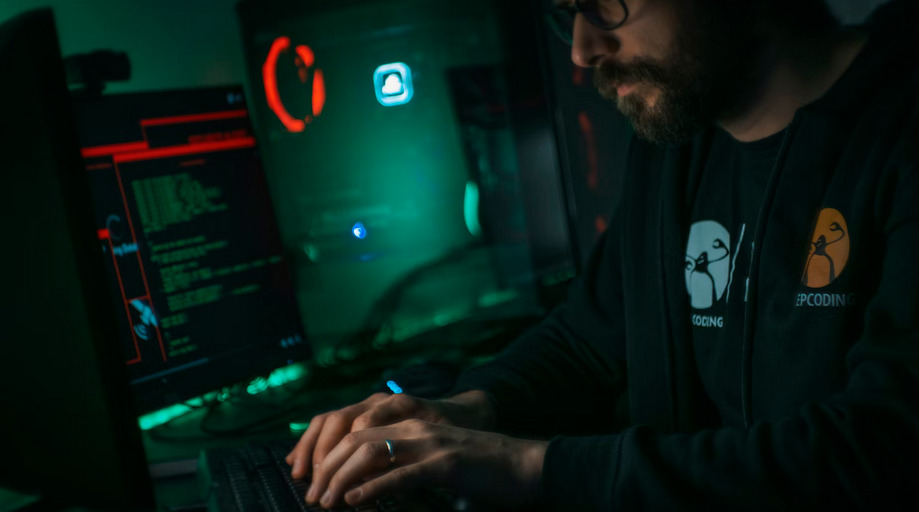
The beauty of 2FA lies in its simplicity and effectiveness. By implementing this security measure, you significantly reduce the risk of unauthorized access to your sensitive information. It acts as a safeguard against phishing attacks, where cybercriminals try to trick you into revealing your login credentials through deceptive websites or emails. Setting up 2FA is relatively easy and can be done on various platforms and services, including email providers, social media networks, and online banking sites. Most platforms offer multiple options for verification methods so that you can choose the one that suits you best – whether it’s receiving codes via text message or using an authenticator app.
Regular Software Updates
Regular software updates are an essential part of maintaining a strong cybersecurity defense. These updates provide important patches and fixes for vulnerabilities that may have been discovered in the software. By regularly updating your software, you can ensure that any potential security loopholes are closed off, reducing the risk of cyber threats. One of the main reasons why regular software updates are crucial is because hackers and cybercriminals constantly search for weaknesses to exploit. They actively look for outdated software or systems that haven’t been patched with the latest security fixes. By keeping your software up to date, you make it much more difficult for attackers to gain unauthorized access to your system or steal sensitive information.
Secure Network Connections
 When it comes to preventing cybersecurity threats, one crucial aspect that often gets overlooked is ensuring secure network connections. Whether you’re browsing the internet or accessing sensitive information from your workplace, having a secure network connection is essential in safeguarding against potential cyber-attacks. One way to ensure a secure network connection is by using Virtual Private Networks (VPNs). A VPN encrypts your internet traffic and routes it through a remote server before reaching its destination. This adds an extra layer of security and makes it difficult for hackers to intercept your data. Another important step is to avoid connecting to public Wi-Fi networks without proper precautions. Public Wi-Fi networks are notorious for being vulnerable to attacks, as they lack the necessary encryption measures.
Remember that cybersecurity is not a one-time fix but an ongoing process. Stay informed about the latest threats and best practices for protecting yourself online. By taking these steps, you can greatly enhance your online safety and minimize the chances of becoming a victim of cybercrime. Protect yourself today so you can enjoy peace of mind while navigating cyberspace tomorrow. We hope that you have found this blog post helpful.

 One of the main benefits of using cloud-based technology is that it can help you to be more productive. It is because your location does not limit you. You can access your files and applications from anywhere worldwide, as long as you have an internet connection. It means that you can work from home, on the go, or from the office, without worrying about whether or not you have the correct files. You can also easily share files and collaborate on projects, which can further increase your productivity.
 In addition, cloud-based technology makes it easy to keep your files backed up and safe. You can set up automatic backups, so you never worry about losing important data. And if your computer crashes or is lost, you can still access your files by logging into your cloud account from another device. Not only does this give you peace of mind, but it can also save you a lot of time and hassle if something happens to your computer. These are just a few benefits that convince you to use cloud-based technology. As you can see, it can make your life easier and help you to be more productive. Now is the time to start if you are not already using cloud-based technology. You will wonder how you ever lived without it.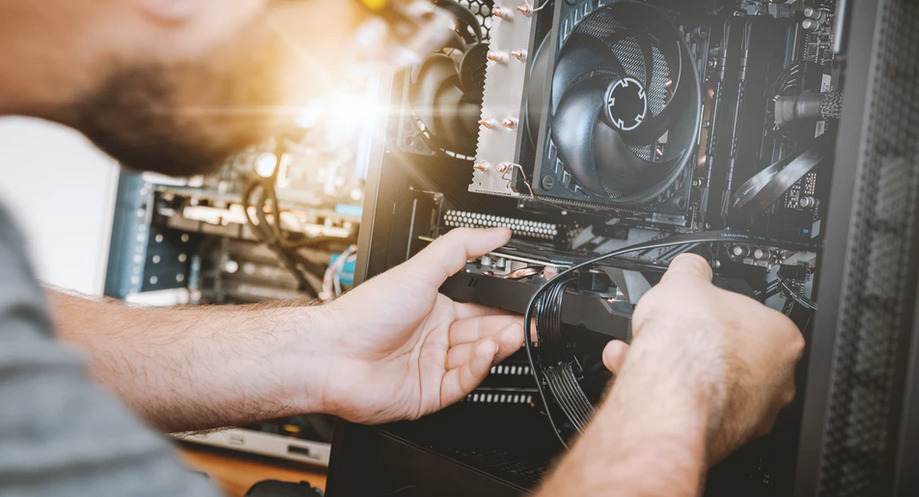
 The first factor you should consider when choosing a computer repair service is the warranty. As many computer owners have come to know, some problems regarding computers can reoccur severally. This mostly happens when the repair service one chooses does not offer quality solutions.
 It is also crucial to consider the reputation of a computer repair service provider. Different computer repair services will have reputations that vary. It is crucial to select a repair service with a great reputation to increase your chances of getting an ideal service.
 Virtual production is changing the way films are made. It allows filmmakers to create immersive worlds and breathtaking visual effects without ever leaving the studio. Using advanced techniques like LED walls and real-time rendering technology, filmmakers can bring their visions to life in ways that were previously unimaginable. Whether transporting audiences to distant galaxies or recreating historical landmarks, virtual production is revolutionizing the filmmaking process and opening up new creative possibilities for filmmakers.
 Streaming platforms have transformed the way audiences consume content, and they’re also changing the way films are produced and distributed. With the rise of streaming giants like Netflix, Amazon Prime, and Disney+, filmmakers have more opportunities than ever to get their work seen by a global audience. These platforms are investing billions of dollars in original content, giving filmmakers the creative freedom to explore new ideas and take risks that traditional studios might shy away from.