

Ransomware attacks have become one of the most disruptive threats to modern businesses. A single incident can halt operations, compromise data, and damage trust. Many organizations lack the resources or expertise to respond quickly on their own. An IT Company in St. Louis providing managed IT services plays a critical role in handling ransomware incidents with speed and structure. They combine preparation, response, and recovery into a clear process. This article explains how managed IT services handle ransomware response while minimizing disruption and restoring stability.
Understanding the Ransomware Threat Landscape
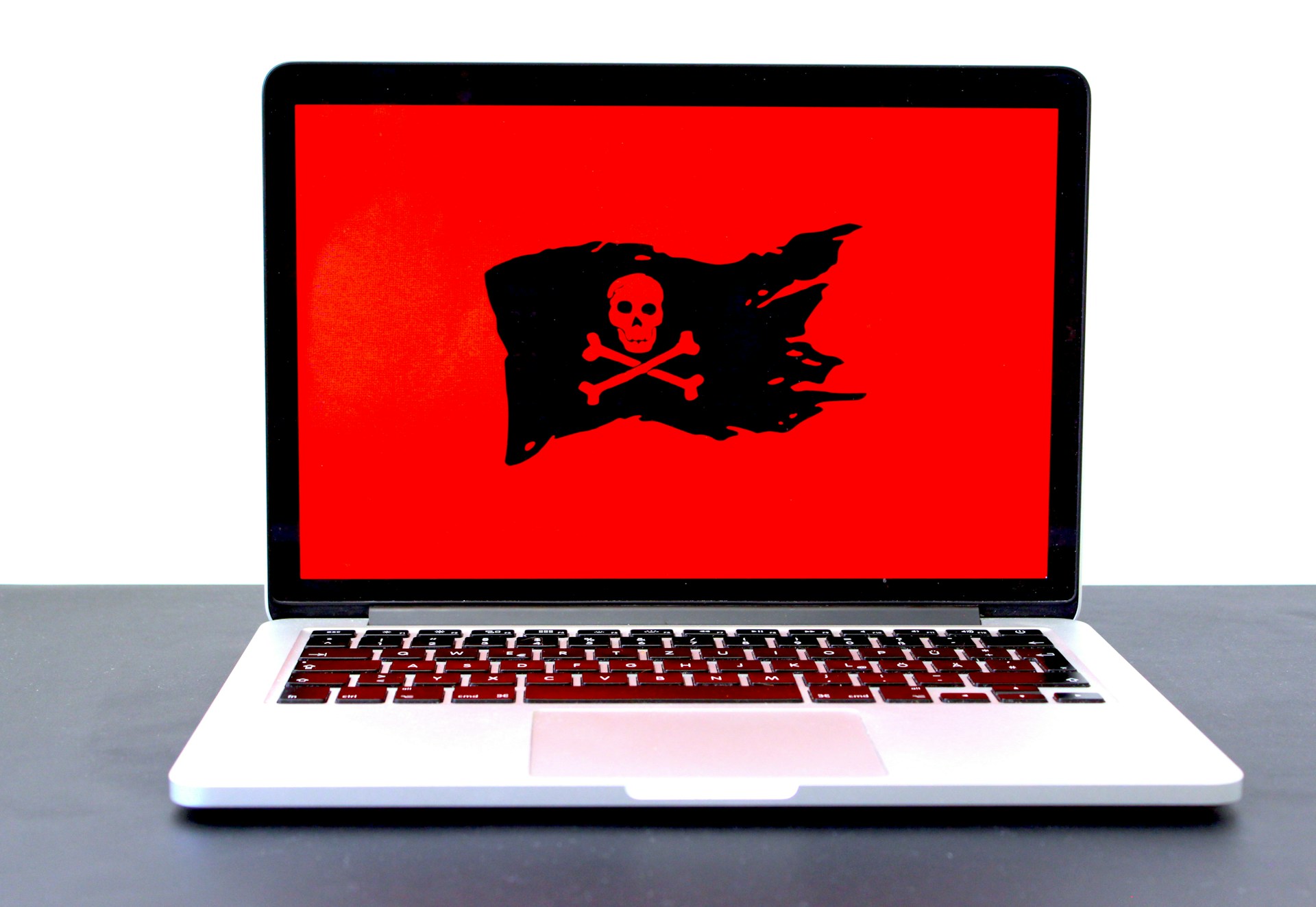 Ransomware continues to evolve in complexity and frequency. Attackers target networks, endpoints, and cloud systems. Phishing emails, weak passwords, and unpatched software often serve as entry points. Once inside, malware encrypts data and demands payment. The impact spreads quickly across systems. Managed IT services stay informed about emerging threats. This awareness helps them prepare defenses before attacks occur and respond effectively when incidents happen.
Early Detection and Threat Identification
Fast detection limits damage. Managed IT services use continuous monitoring tools to identify unusual activity. Sudden file encryption, abnormal network traffic, or unauthorized access trigger alerts. Early detection allows teams to act before ransomware spreads further. Automated systems support human oversight. This combination improves accuracy and speed. Identifying the threat early is critical to protecting data and limiting operational downtime.
Immediate Containment and System Isolation
Once ransomware is detected, containment becomes the priority. Managed IT teams isolate affected systems from the network. This step prevents malware from reaching other devices or servers. Access points may be temporarily restricted. Infected endpoints are taken offline. Clear procedures guide these actions. Swift isolation helps ensure the attack remains limited and manageable rather than widespread.
Incident Response Coordination and Communication
Effective response requires coordination. Managed IT services follow predefined incident response plans. Roles and responsibilities are clear. Internal teams receive timely updates. External partners may also be informed when needed. Communication stays calm and factual. This structure reduces confusion during stressful situations. A unique benefit of managed services is having experienced responders lead the process without delay.
Data Recovery and Backup Restoration
Recovery focuses on restoring systems safely. Managed IT services rely on secure and tested backups. Clean data is restored after infected systems are wiped. Recovery follows a controlled sequence to avoid reinfection. Backup integrity is verified before use. This process reduces the need to consider ransom payments. Reliable recovery methods help businesses resume operations with confidence and minimal data loss.
Security Hardening After the Attack
After recovery, systems are strengthened. Managed IT providers analyze how the attack occurred. Vulnerabilities are identified and addressed. Patches are applied and access controls reviewed. Security policies may be updated. Additional monitoring tools can be introduced. These steps help ensure the same weakness is not exploited again. Strengthening defenses is a vital part of long-term protection.
Compliance and Legal Considerations
Ransomware incidents may involve regulatory obligations. Managed IT services help navigate compliance requirements. Data breach notifications are assessed carefully. Documentation is prepared to support audits or investigations. Legal and insurance partners may be involved. Proper handling reduces the risk of penalties. Accurate records also support transparency with customers and stakeholders during recovery.
Preparedness Planning and Ongoing Prevention
Prevention remains the strongest defense. Managed IT services provide ongoing training and system reviews. Employees learn to recognize phishing attempts. Backup strategies are tested regularly. Incident response plans are refined over time. Continuous improvement helps ensure readiness. Preparedness shows utmost commitment to resilience and operational continuity in a threat-filled environment.
Managed IT services bring structure and expertise to ransomware response. From early detection to full recovery, each step follows a clear process. Businesses benefit from faster containment, safer recovery, and stronger defenses. The approach reduces panic and limits damage. With professional support, organizations can face ransomware threats with greater confidence. Managed IT services help ensure systems remain secure, resilient, and prepared for future challenges in an increasingly hostile digital world.

 One of the main benefits of using cloud-based technology is that it can help you to be more productive. It is because your location does not limit you. You can access your files and applications from anywhere worldwide, as long as you have an internet connection. It means that you can work from home, on the go, or from the office, without worrying about whether or not you have the correct files. You can also easily share files and collaborate on projects, which can further increase your productivity.
 In addition, cloud-based technology makes it easy to keep your files backed up and safe. You can set up automatic backups, so you never worry about losing important data. And if your computer crashes or is lost, you can still access your files by logging into your cloud account from another device. Not only does this give you peace of mind, but it can also save you a lot of time and hassle if something happens to your computer. These are just a few benefits that convince you to use cloud-based technology. As you can see, it can make your life easier and help you to be more productive. Now is the time to start if you are not already using cloud-based technology. You will wonder how you ever lived without it.
 When you choose to have a booking system for your business, you will not worry about the customers who will be looking for your services after you close for the day. This is just because, even if you closed for the day, the system that is online would be available to the clients and they will make their bookings without any restriction of time. This also implies that clients can make reservations even without your help or that of your employees.
 Usually, when bookings are made physically, you will tend to experience situations where the customer who booked your facility does not show up. This means the facility will not be paid for hence no business for that day. However, for a booking system, once a client wants to cancel a booking, it is done easily and another customer can fill in the booking so that you don’t end up losing. Cancelations on a booking system are made without any difficulties because clients are readily available and can take the canceled booking.
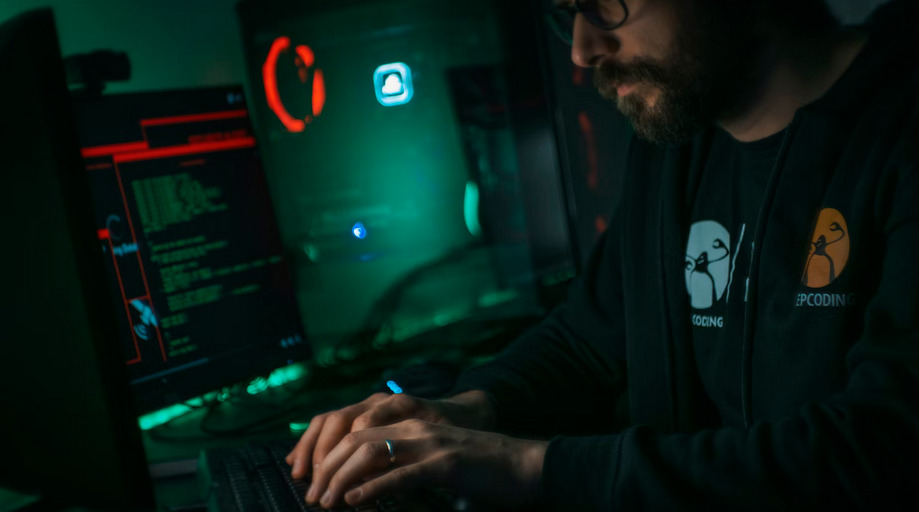
 When it comes to preventing cybersecurity threats, one crucial aspect that often gets overlooked is ensuring secure network connections. Whether you’re browsing the internet or accessing sensitive information from your workplace, having a secure network connection is essential in safeguarding against potential cyber-attacks. One way to ensure a secure network connection is by using Virtual Private Networks (VPNs). A VPN encrypts your internet traffic and routes it through a remote server before reaching its destination. This adds an extra layer of security and makes it difficult for hackers to intercept your data. Another important step is to avoid connecting to public Wi-Fi networks without proper precautions. Public Wi-Fi networks are notorious for being vulnerable to attacks, as they lack the necessary encryption measures.