
Choosing the Best Ergonomic Mouse

Choosing the Best Ergonomic Mouse post thumbnail image

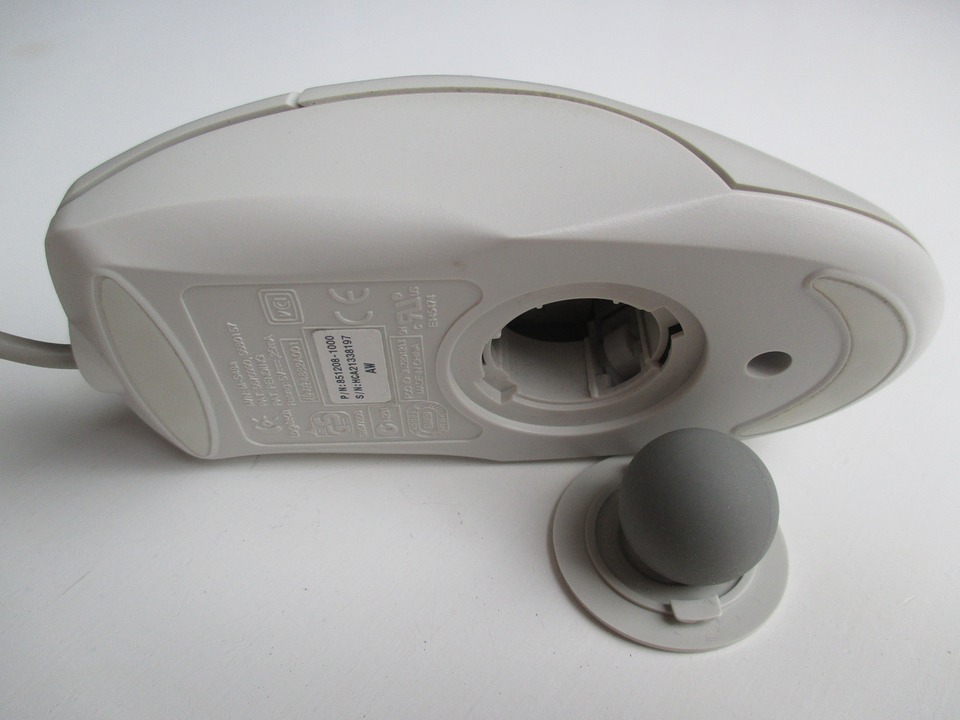
Most of the computer users use the mouse and keyboard to communicate with the computers without thinking about the ergonomics of the mouse and keyboards that they are using. The issue is that over time, the improper use of these gadgets can lead to various types of injuries like the wrist pain, repetitive strain injuries, and the Carpal tunnel syndrome just but to mention a few. The ergonomic mouse should therefore, be used to avoid these issues. There are certain principles of ergonomics that have to be considered when finding the best ergonomic mouse to meet the needs of the users.

General information

Reasons

One of the problems that are associated with the traditional mouse is the static grip force that keeps the user under the tensionErgonomic Mouse every time he holds the mouse. The other challenge that most of the people out there face is that most of the mouse have the same shape and size whereas the users have different hand sizes.

There is also the issue of the vertical scrolling action and the moving of the fingers up and down. This is an awkward posture for most of the individuals to maintain which is executed by the general placement of the buttons.

Static tension

There is lots of the static tension on the mouse which builds up every day even if the computer users are not using the mouse intensively. There is always a tendency of maintaining the entire grip unnecessarily, and this is the reason as to why many people usually feel fatigue after using the mouse for many hours. These injuries worsen over time because many computer users do not know how they come about and what triggers them. Most of them are ignorant of what ergonomics is and how it can help them avert the crisis.

Benefits

Ergonomic MouseThere are lots of advantages of using the ergonomic mouse over the standard keyboard and mouse. One of the benefits is that the right peripheral can minimize the tension that the hand and the wrist are usually subjected to. It helps reduce the strain on the arm and therefore the resultant pain which is the back and the neck pains. People are more productive and efficient of they maintain their natural hand position.
The ergonomic mouse will also reduce the stress on the forearm and wrist and therefore help in reducing the static tension. This is critical as it gives the user the ability to avoid further health complications. The ergonomic mouse and keyboard are the current in the thing because of the immense benefits that it has.


Related Post

Is It Just Me or Is Technology Getting More Complicated?Is It Just Me or Is Technology Getting More Complicated?

If you have ever opened a new app and felt instantly tired, you are not alone. Devices promise speed and comfort, yet they often greet us with pop-ups, permissions, and menus that seem endless. Something that once took one tap now asks for five decisions. That feeling is real, and it is shared by plenty of smart, capable people. Tech did not suddenly turn against us. It grew, stacked features on features, and forgot to slow down. Like a kitchen drawer that will not close, everything still works, but it takes effort. Let’s talk about why this keeps happening. Also, see how you should take it.

More Features Than Anyone Asked For

Modern gadgets arrive packed like overstuffed backpacks. Every update adds tools, modes, and options that sound impressive during a launch video. In daily life, many of those extras sit untouched. They wait quietly while we search for the one setting we actually need. This pileup changes how devices feel. Simple actions now hide behind layers of menus. You press longer, swipe deeper, and hope muscle memory kicks in. It is not that features are bad. It is that too many choices slow the brain down.

Settings Menus That Feel Like Mazes

Settings used to be quick pit stops. Now they feel like road trips with poor signage. Sections expand into sub-sections, which branch again. Even confident users sometimes pause and wonder if they are in the right place. This structure creates friction. Instead of adjusting something quickly, people delay it or give up. That hesitation adds up over time. Tech starts feeling heavy instead of helpful. The irony is clear. Settings exist to give control. When they overwhelm, control slips away. That is a design problem, not a user problem.

Updates That Change Too Much at Once

Software updates are meant to improve things. Sometimes they do. Other times, they move buttons around like furniture in the dark. You wake up to a screen that looks familiar but behaves differently. It throws off the rhythm. Change itself is not the villain. Sudden change without guidance is. People build habits around tools. When updates break those habits overnight, frustration follows. Frequent updates also create fatigue. Users stop reading notes. They just tap accept and brace for impact. That reaction says a lot.

Devices Talking to Each Other Poorly

Smart homes sound great in theory. Lights, speakers, phones, and screens all chatting happily. In practice, they argue like siblings. One update breaks a connection. Another demands a new login. This lack of harmony adds mental load. You remember which app controls what. You remember which device listens best. That mental checklist grows longer every year. Tech ecosystems promise smooth experiences. When they fall short, people feel tricked. Trust erodes quietly.

We Are Asked to Learn Constantly

Using tech now requires ongoing education. New gestures. New icons. New rules. It feels like homework that never ends. Even enthusiasts feel it. There is also social pressure. Nobody wants to admit confusion. So people nod, smile, and search later. That silent struggle is common. The pace leaves little room to breathe. Tools change faster than comfort can settle in. That gap creates stress. Technology is not broken. It is busy. It tries to do everything and forgets how humans actually live. The desire for smarter tools is fair. The desire for calmer tools is growing louder. Maybe the next big innovation is making things feel easy again.

computer

How Frontend Frameworks Are Changing Web Design ForeverHow Frontend Frameworks Are Changing Web Design Forever

Frontend frameworks are transforming the way modern websites are built by enabling faster, more scalable, and more interactive development. Tools like React, Vue, and Angular enable developers to build dynamic user interfaces that respond smoothly to user actions while maintaining clean, reusable code structures. This shift has significantly influenced custom web design, enabling designers and developers to collaborate more efficiently and build tailored digital experiences that match specific brand needs. With component-based architecture and improved performance optimization, frameworks also help ensure consistency across different devices and screen sizes. This article explores how frontend frameworks are reshaping web design and setting new standards for modern digital experiences.

Faster Development Through Reusable Components

laptop

One of the biggest changes frontend frameworks introduce is the use of reusable components. These components are modular pieces of code that can be used across multiple parts of a website, such as navigation bars, buttons, or forms. This reduces the need to rewrite code for every new page or feature. As a result, development becomes faster and more efficient. Reusability also ensures consistency in design and behavior, which helps maintain a unified user experience across an entire website or application.

Improved Consistency in User Interface Design

Frontend frameworks promote design consistency by providing standardized structures and styling systems. This ensures that elements behave and appear the same across different pages and devices. Consistency is important because it helps users navigate websites more easily and understand how interactions work. Without frameworks, maintaining uniform design across large projects can become complex and time-consuming. Frameworks simplify this process by enforcing design patterns that guide layout, spacing, and component behavior throughout the application.

Responsive Design as a Built-in Standard

Modern frontend frameworks place strong emphasis on responsive design, enabling websites to adapt to different screen sizes automatically. This is essential in a digital environment where users access content through desktops, tablets, and mobile devices. Frameworks provide built-in grid systems and layout utilities that make it easier to create flexible designs. As a result, developers can ensure that websites remain functional and visually appealing across all devices. This shift has made responsive design a standard expectation rather than an optional feature in web development.

Enhanced Performance Optimization Techniques

screen

Frontend frameworks also influence how performance optimization is handled in web design. Many frameworks include tools for code splitting, lazy loading, and efficient component rendering. These techniques help reduce page load times and improve overall user experience. Faster websites tend to retain users longer and reduce bounce rates, which is important for both usability and search visibility. By optimizing how resources are loaded and displayed, frameworks create smoother, more efficient web experiences.

Scalability and Maintainability of Large Applications

As websites grow in size and complexity, maintaining clean and organized code becomes increasingly important. Frontend frameworks provide structured architectures that make it easier to scale applications over time. Developers can add new features without disrupting existing functionality because the system is organized into independent components. This modular approach also improves maintainability, making it easier to update or fix parts of the application without affecting the entire project. Scalability is a key reason frameworks are widely used in modern web development.

Frontend frameworks are transforming web design by enabling faster development, improving design consistency, standardizing responsive layouts, enhancing performance, and supporting scalable applications. These changes have reshaped how websites are built and maintained, making development more efficient and structured. As digital experiences continue to evolve, frontend frameworks remain central to creating modern, responsive, and high-performing web applications.

team

Solid Reasons Cloud-Based Tech Benefits Your Day-to-Day TasksSolid Reasons Cloud-Based Tech Benefits Your Day-to-Day Tasks

You would be hard-pressed these days to find anyone who has not heard of cloud-based technology. Like how Quantum ai generates their app by using an AI algorithm and cloud-based system, you should be using cloud-based technology, too. It seems as though almost every day, there is a new article in the news about how another company has moved its entire operation to the cloud. But what does this mean for you and your day-to-day tasks? This blog post will highlight some benefits of cloud-based technology and how it can make your life easier.

Increased Productivity

manOne of the main benefits of using cloud-based technology is that it can help you to be more productive. It is because your location does not limit you. You can access your files and applications from anywhere worldwide, as long as you have an internet connection. It means that you can work from home, on the go, or from the office, without worrying about whether or not you have the correct files. You can also easily share files and collaborate on projects, which can further increase your productivity.

Easier Access to Files and Documents

Another benefit of using cloud-based technology is that it makes accessing your files and documents more accessible. Rather than carrying around a USB drive or emailing yourself documents, you can log into your cloud account and access them from anywhere. This is especially useful if you need to access large files or if you need to share them with others.

Automatic Syncing Between Devices

Using cloud-based technology can also benefit you because your files are automatically synced between all of your devices. So, if you change a document on your laptop, it will also be reflected on your tablet and smartphone. It is extremely useful for keeping track of different document versions and ensuring that you always have the most up-to-date version of a file.

Increased Security Measures

gadgetIn addition, cloud-based technology makes it easy to keep your files backed up and safe. You can set up automatic backups, so you never worry about losing important data. And if your computer crashes or is lost, you can still access your files by logging into your cloud account from another device. Not only does this give you peace of mind, but it can also save you a lot of time and hassle if something happens to your computer. These are just a few benefits that convince you to use cloud-based technology. As you can see, it can make your life easier and help you to be more productive. Now is the time to start if you are not already using cloud-based technology. You will wonder how you ever lived without it.